Fauna Details
| Common Name | South African Crested Porcupine (Eng.); Kaapse Ystervark (Afr.) |
| Family | Hystricidae (Old World Porcupines) |
| Date Observed | 26-06-2023 |
| Category | Mammals |
|---|---|
| Catalogue No. | Z5012RG |
| Breeding/ Spawning Time | Summer |
| When Observed | NIGHT TIME |
| Locations Observed | |
| Estuary | |
| Koppie | |
| Nature Reserve | Few |
| Small Holding | |
| Village | Few |
| Greater Rooiels | Few |
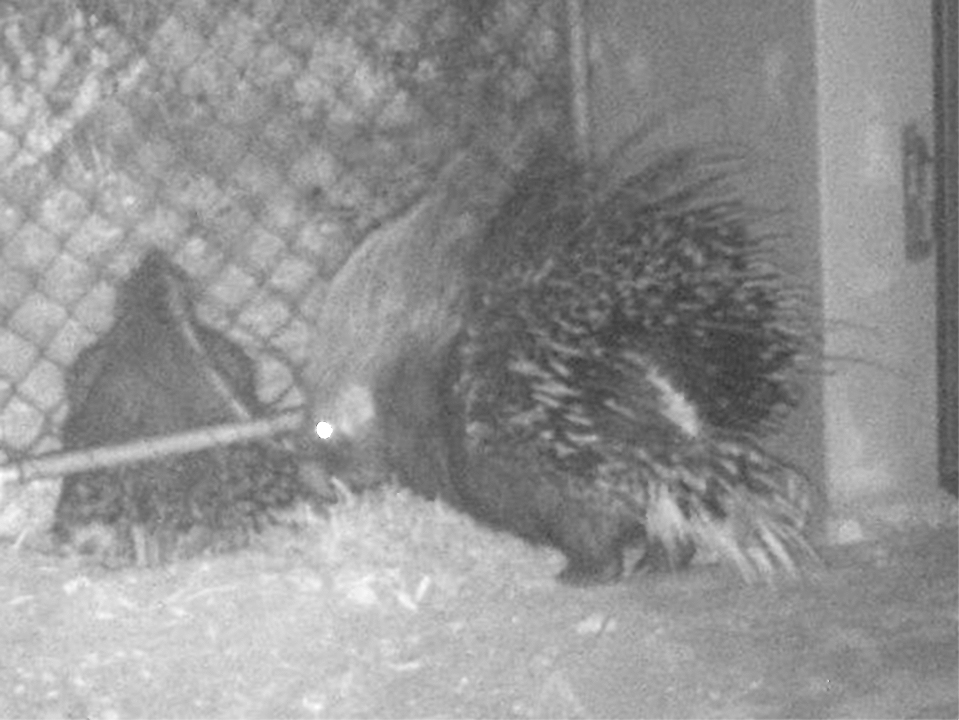
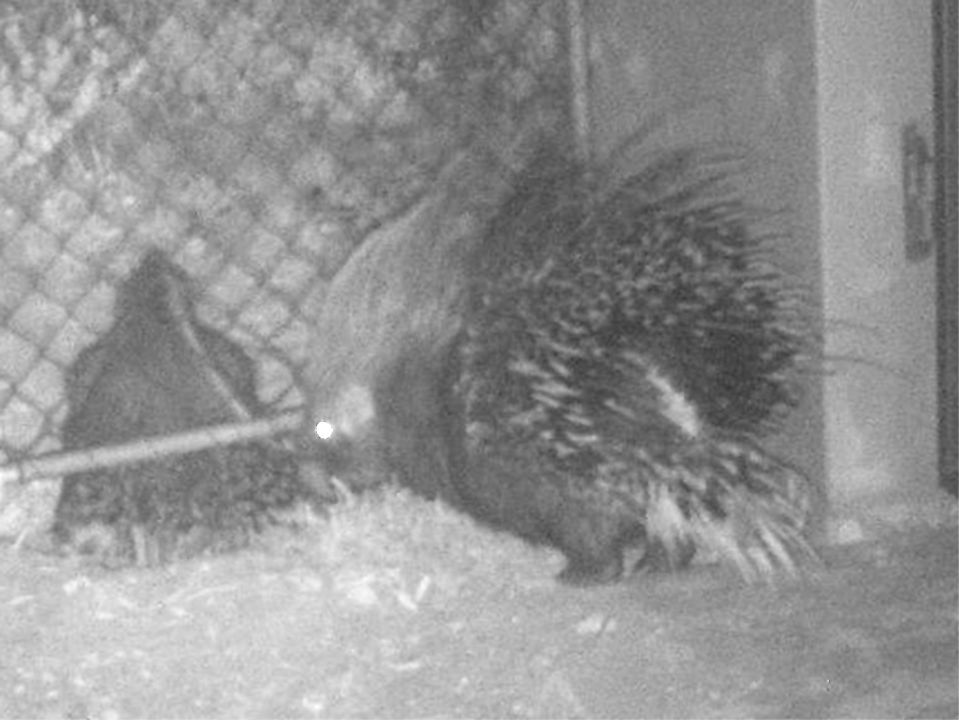
Hystrix africaeaustralis
Information
THE PINCUSHIONS THAT WALK AT NIGHT
They stomp around at night, living quite healthily on a
vegetarian diet. It's astonishing how porcupines manage to get over and under
fences in search of food.
By day, they shelter in culverts, burrows or rocky crevices,
licking their chops at the thought of the delicious arum lily rhizomes in your
fynbos garden, Chasmanthe bulbs and other tasty roots. They may even chew the
bark off young trees, sometimes killing them.
They also gnaw bones for minerals and to help keep their
continuously growing teeth worn down.
Cape porcupines can weigh up to 20 kg, making them Africa's
largest rodents.
A PRICKLY DEFENCE
Porcupines have impressive quills on their backs and tails,
which they raise and rattle when threatened. The quills detach on contact and
can cause serious wounds.
Can they shoot their quills at predators?
Nope. That's a myth.
FAMILY LIFE
Porcupines form lasting pairs, and the male plays an
unusually active role in raising their young.
A litter may contain one to four porcupettes. They're born
with soft quills that begin to harden within hours, providing protection as
they grow.